


Structural design is one of the vital aspects in the construction industry and includes various processes from analysis and design to construction and maintenance of resistant structures. Resistant structures, using high-quality materials and following the standards and important points, are able to withstand various loads and forces and guarantee the safety and stability of the structure. Designing and implementing all kinds of structures and construction is one of the main activities of Rooyesh company.
In architecture and construction, the issue of choosing the type of structure is very important. In fact, the structure is the structure of a building and determines its durability and balance. The structures differ based on the materials used and the implementation methods. Choosing the type of structure, which is a very important decision and the first step in building construction, depends on the environmental, executive, technical, etc. conditions. In this article, we will introduce the types of structures.
What is structural design?
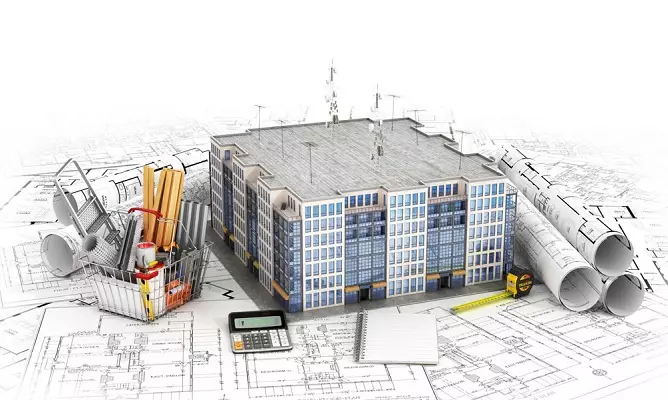
Structural design is one of the key elements in the construction industry that creates structures with strength, stability and beauty. Structural design is actually an art and science that deals with the design and implementation of structures capable of bearing various loads and forces.
In the design of the structure, factors such as the use of suitable materials, the use of new technologies, considering the construction principles and standards of the construction industry and paying attention to the details are very important.
Types of building structures
Choosing the type of building structure depends on factors such as usage, customer needs, size, etc. In the following, we will get to know the types of construction structures, including steel structures, concrete structures, and SRC structures.
Steel structure
The metal frame of the building or steel structure refers to the buildings and structures whose important and main bearing components are made of steel. Among these components, we can refer to columns, truss members, wind braces, main and secondary beams.
The members of the metal frame building can be connected with appropriate and diverse methods using screws or rivets or welding to transfer the live, dead loads and lateral forces on the structure through the columns to the foundation of the structure (scaffolding or foundation) and then transferred to the bearing layers of the project construction site.
Steel Structure is designed, produced and used in construction and engineering operations in accordance with international standards, and steel structures can be made in various forms.
In the metal structure of many structures, generally the sections of the columns are can, cross or H-shaped, and for beams, especially in bending frames, the use of I-shaped beams is not the only solution.
Due to the complexity of the manufacturing process and the need for more precision in the cutting, assembling and welding operations, the metal frame is usually made in the factory and transported to the workshop for installation.
Types of steel structure construction methods
- Construction of welded steel frame
- Construction of steel frame with bolts and nuts
- Fabrication of steel frame through a light steel scope
Advantages of steel structure
- Less weight
- High resistance
- Long life and high durability
- Resistance to moisture and different weather conditions
- High speed of the construction process
- The possibility of reinforcement if needed
- Saving materials
- Possibility of easy construction and different sizes
Concrete Structures
Concrete is inseparably linked to construction. Concrete structure or concrete skeleton, if not the main one, but it can be said that it is one of the main components of any building or structure. As you can see from the name of concrete structures, the reason for their name is that they use reinforced concrete (cement, sand, sand and steel in the form of simple or ribbed rebar) to build them. This is precisely why some people call concrete structures reinforced concrete structures.
In fact, in simpler terms, if reinforced concrete is used in the main beams, columns and foundations, it is called a concrete structure. Concrete skeletons are one of the most common types of skeletons in modern constructions.
One of the main factors in the lifetime of concrete structures depends on the quality of the materials used (reinforced concrete) in it, which should have a useful life of at least 60 years.
Advantages of concrete structures
- Their high resistance to very high heat, for example, during a fire, they tolerate the heat and do not damage the skeleton and structure of the building.
- Its implementation and implementation is faster than metal structures.
- Concrete structures are more affordable than metal structures.
- Concrete structures have a very long life span, and with the passage of time, the setting of cement creates more resistance for the building.
- Concrete structures are completely malleable and can be produced in different shapes and models.
- Its maintenance cost is lower than that of metal structures.
SRC Structure
The SRC section is a steel section surrounded by reinforced concrete. In other words, this section includes the rolled or composite steel section that is buried inside the reinforced concrete section.
Composite column has more formability than concrete columns and their connections are similar to steel buildings. Filling concrete inside the column not only increases the bearing capacity of the steel section, but also increases the resistance of the column against fire. In terms of formability and rotational capacity, hollow sections filled with concrete have the best behavior compared to other types of mixed columns.
The concrete is surrounded by a steel cross-section and even at the moment of reaching the final strength, the concrete does not break completely.
The presence of steel in the outermost strands of the section (where there is the highest tension) effectively increases the maximum bending strength of the section.
Advantages of SRC structure
- One of the advantages of the SRC structure is that there is no need to control the local buckling of the steel section due to its encasement in concrete.
- 20% increase in strength of this type of structure compared to concrete structure
- Reducing the dimensions of the column in the SRC structure at the base of the structure compared to the concrete structure, and as a result, the possibility of extending it in height
- The possibility of implementing longer spans with SRC columns in the same dimension as concrete columns due to higher resistance
- Reducing the level of molding due to the smaller dimensions of the column compared to concrete is one of the other advantages of this type of structure.
CFT Structure
CFT (Concrete Filled Tube) structures consist of columns filled with concrete and steel beams. The use of HSS profile as the steel part of the column increases the quality and visual beauty of the structure while increasing the speed due to the elimination of the cross-section construction process. Optimum use of concrete and steel features will lead to achieving the most economical way of using materials and reducing the costs of the structure.
CFT columns have various shapes such as circular (CHS), elliptical, square (SHS), rectangular (RHS) and also hexagonal. In addition, sections such as rectangular sections with two rounded sides are also used for reasons of architectural aesthetics. Of course, square and rectangular sections are receiving more attention day by day due to the ease of connecting the beam to the column as well as their good bending resistance.
Advantages of CFT Structure
- One of the advantages of the CFT structure is to reduce the weight of the steel used in the column
- Reducing the cost of building and installing the structure using HSS section
- Eliminate or reduce the cost of protecting columns against fire
- Increase useful space
- Improve build quality
- The possibility of using a column section with the same dimensions in height
- Higher bending and axial shear strength
- Improving the performance of concrete
- High malleability and energy consumption capacity
- Increase lateral stiffness
Other types of structures
Among the other types of structures that can be mentioned is the shell structure that is often made of reinforced concrete and is similar to traditional arches in a curved form. One of the most important advantages of this type of structure is the reasonable cost of implementing the structure compared to other structures, the beauty and attractiveness of the form, the creation of a column-free space, the proper performance against earthquakes, and the creation of diverse forms.
It Is also an industrial structure among other types of structures. Among the types of industrial structures, we can mention sheds with long openings in high areas.
Conclusion
Choosing the type of structure is one of the most important decisions that builders and engineers must pay attention to. Building structures are selected according to climatic, operational, technical, etc. conditions, therefore, the proper design and implementation of structural factors is essential considering the conditions. This important stage in building construction requires expert labor to have the best efficiency with the lowest cost. Rooyesh Industrial Group engineers are responsible for employers in this field.


